
The last 100

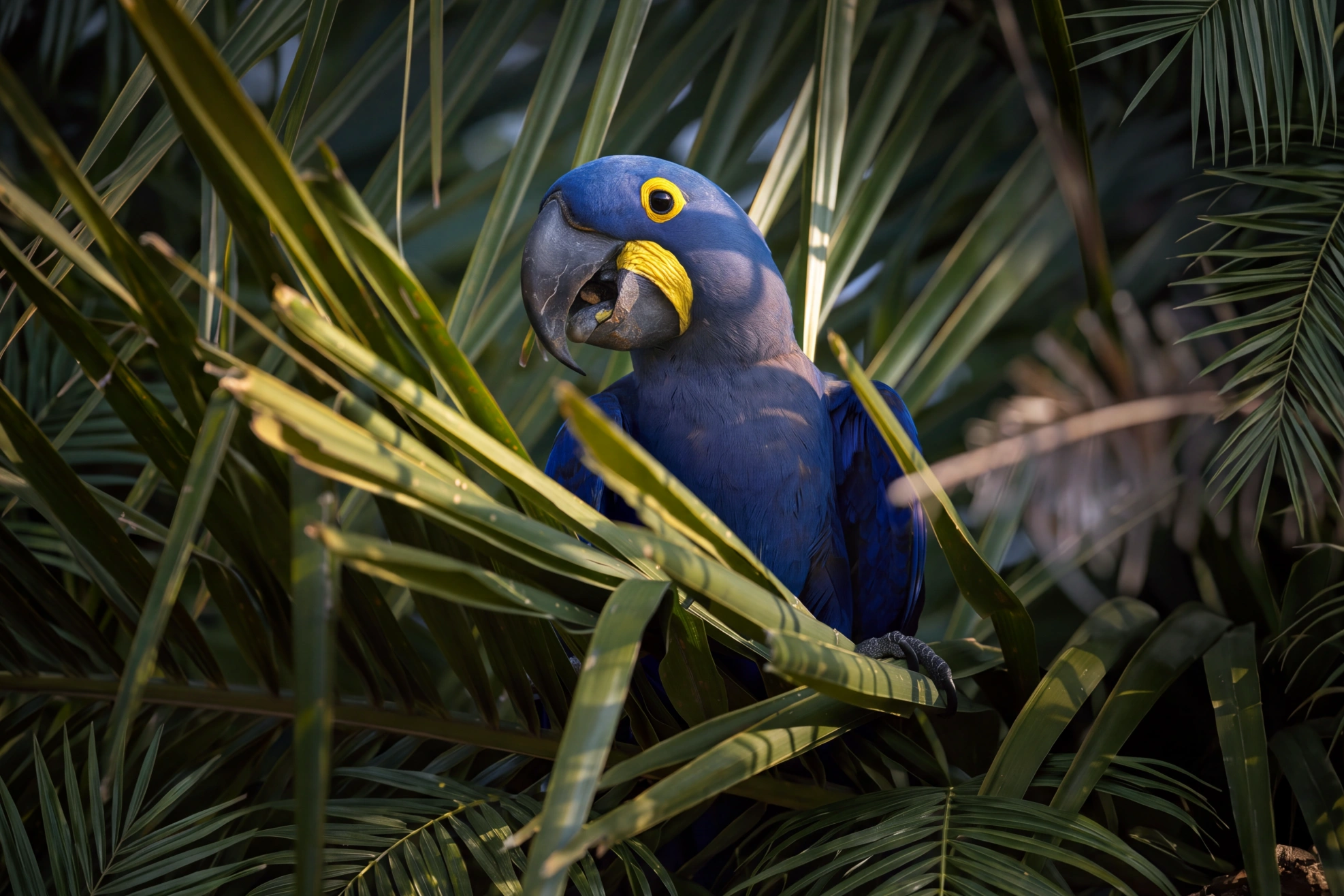
Spix's Macaw
Spix's Macaw 10–15 left in the wild
Vaquita
Vaquita 7–10 left in the wild
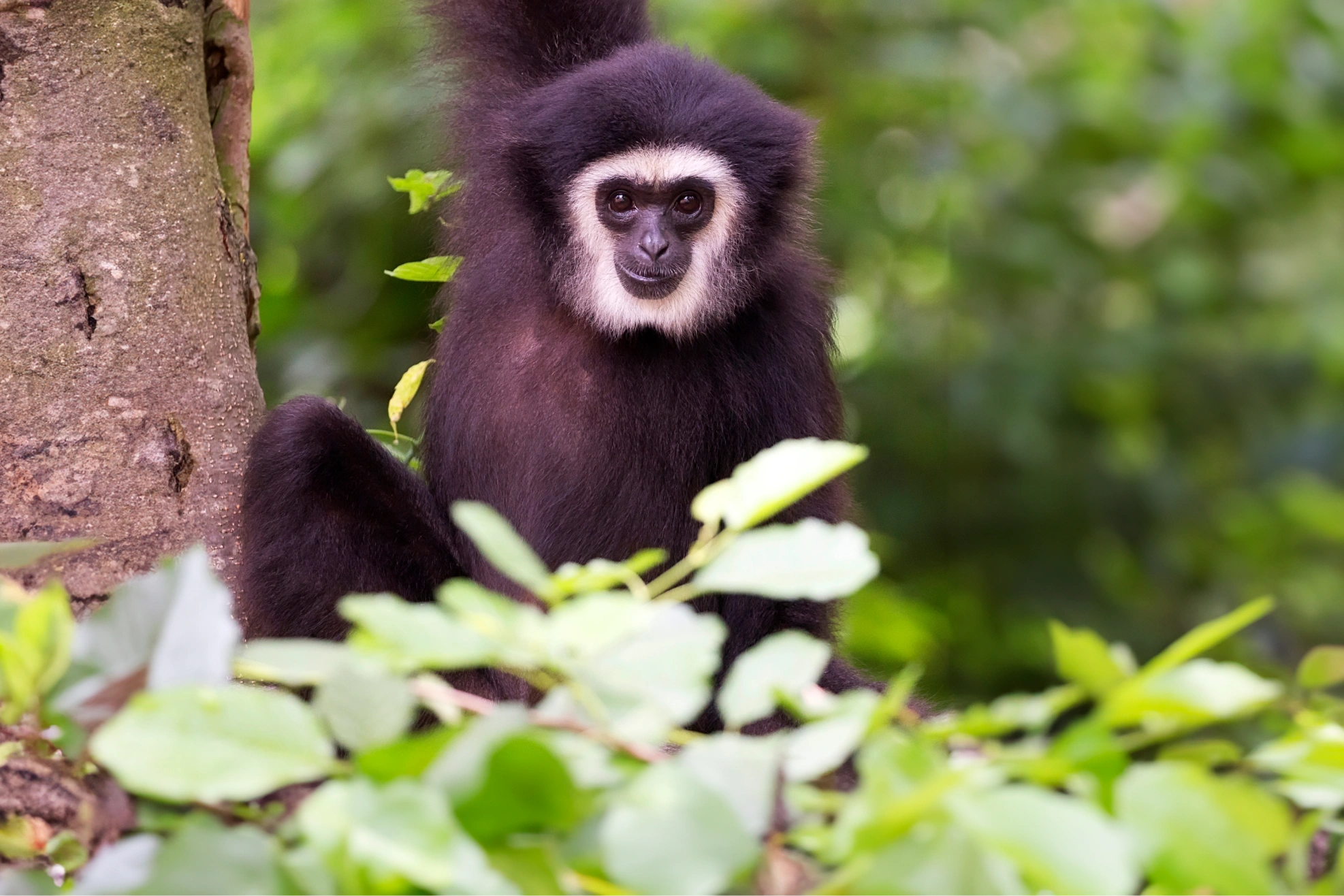
Hainan Gibbon
Hainan Gibbon 20–25 left in the wild
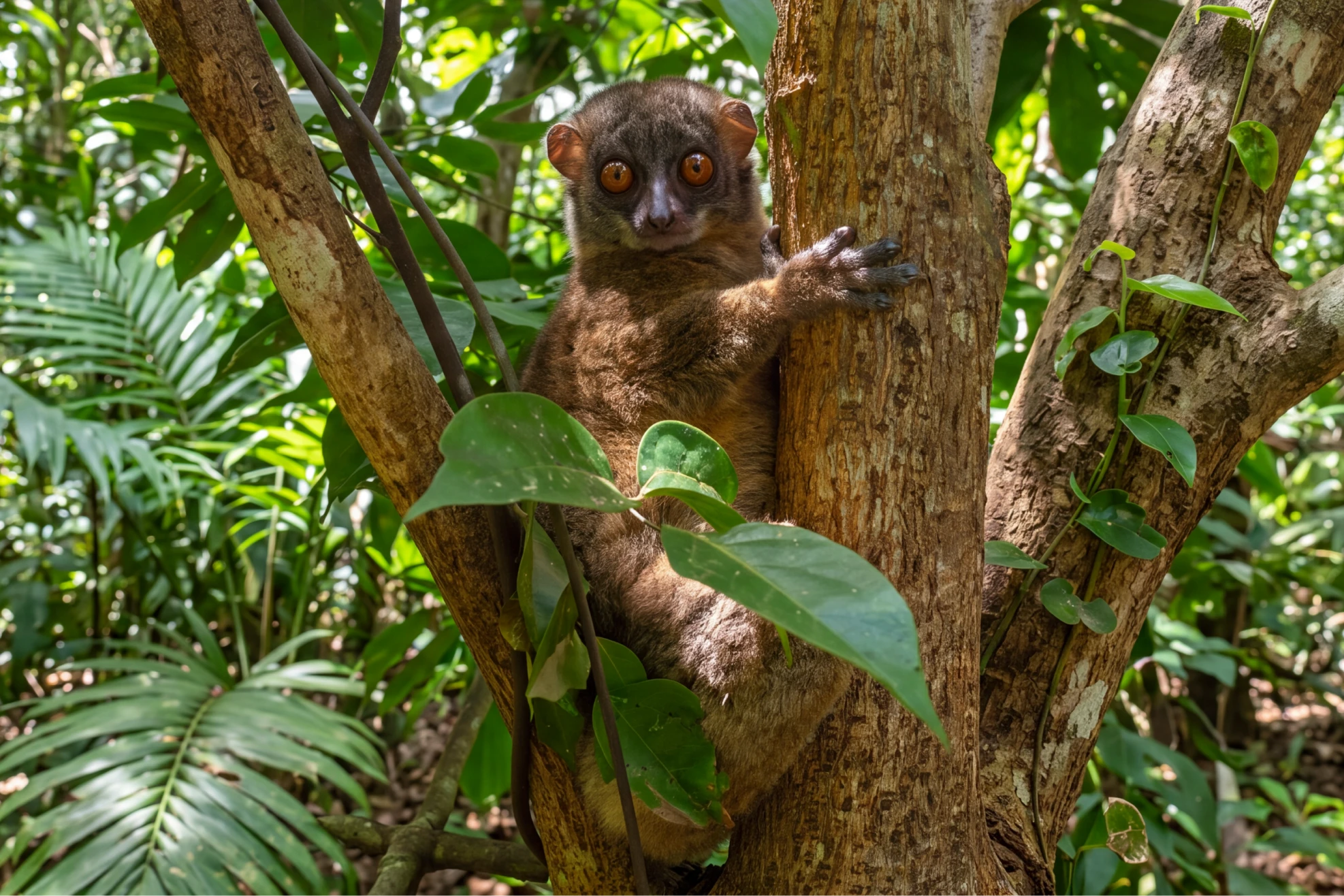
Northern Sportive Lemur
Northern Sportive Lemur 50–70 left in the wild
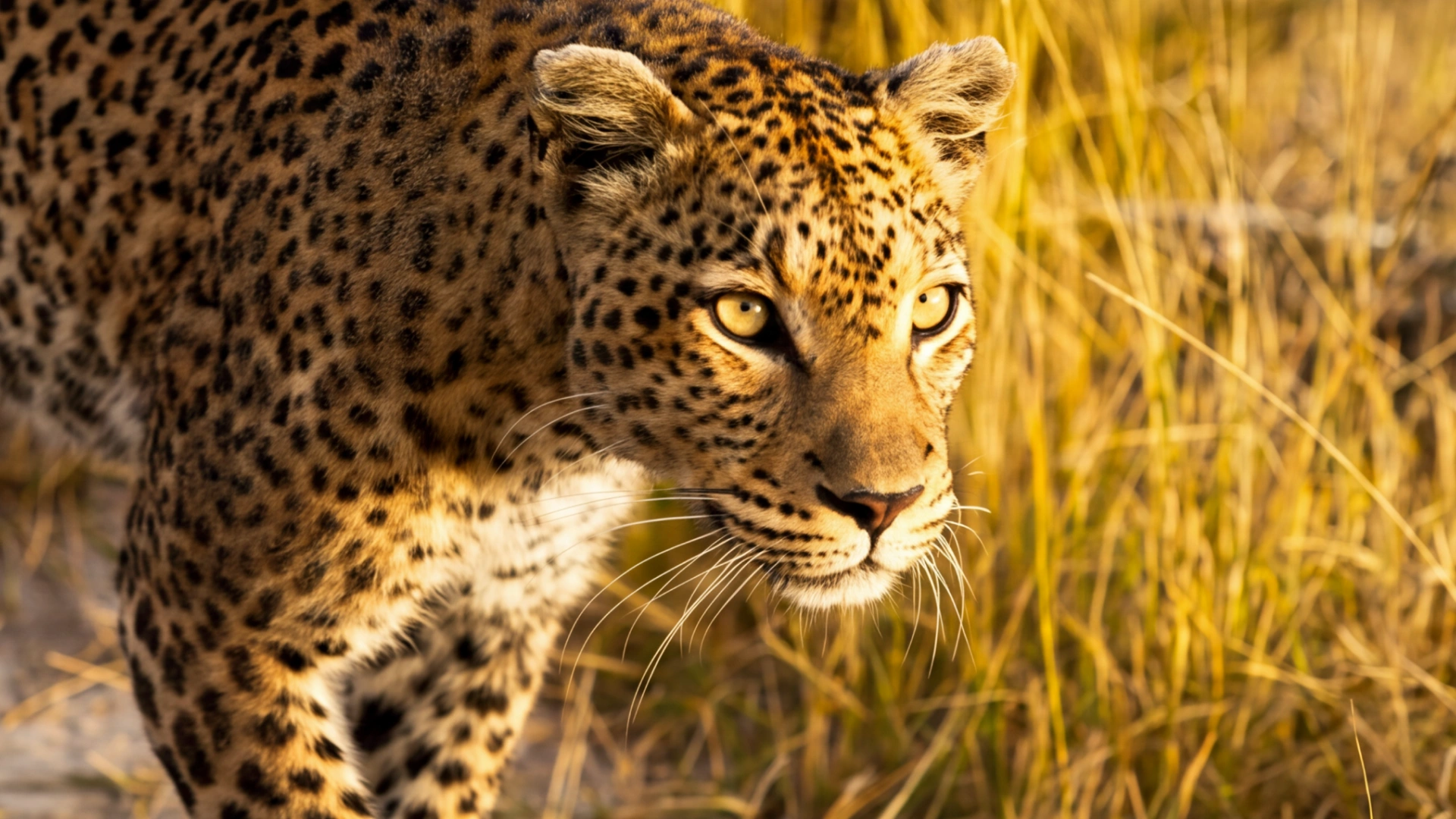
Arabian Leopard
Arabian Leopard 70–84 adults left in the wild

This isn't history.
It's happening now.

5 stories 5 case files 5 species on the brink

Spix's Macaw

Case file 1 of 5 · Bahia, Brazil

Bahia, Brazil · 9°S 40°W

One corner of the planet

Curaçá, Bahia · caatinga

The last wild male vanished in 2000.

Spix's Macaw

Case file 1 of 5 · Bahia, Brazil
10–15 birds left in the wild (November 2025)

Declared extinct in the wild in 2019, it now flies over Bahia again.

EW · Extinct in the Wild Reintroduced in 2022 Incurable virus
Illustrative diagram

Habitat map

2025 the year all 11 free birds tested positive for an incurable beak and feather disease
What threatens it

A circovirus that causes beak and feather disease, incurable and almost always fatal, infected every free-living bird. On top of that: loss of caraibeira woodland, introduced predators and Africanized bees that compete for nests.

Source: IUCN via Wikipedia
22 years without a Spix's macaw flying free, from 2000 until the 2022 release
What's being done

In 2022, 20 birds were released in Curaçá, Bahia, in two batches, and in 2023 two chicks hatched in the wild. None had flown free since 2000.

Source: IUCN via Wikipedia

VAQUITA

Case file 2 of 5 · Gulf of California, Mexico

Upper Gulf of California, Mexico · 31°N 114°W One corner of the planet
Gulf of California · a habitat like no other Almost all water. Almost no refuge.

Vaquita

Case file 2 of 5 · Gulf of California, Mexico
7–10 left in the wild (2025)
The world's most endangered marine mammal lives in a single corner of the gulf.
CR · Critically Endangered Mexico Illegal nets
Illustrative diagram

Habitat map

567 → 7–10 vaquitas in 1997, compared with the 2025 survey
What threatens it Illegal gillnets set for totoaba accidentally entangle vaquitas. They are the species' main threat. Source: IUCN CSG, SeafoodSource
2022 the Mexican Navy installed concrete blocks fitted with metal hooks
What's being done Since then, nets have all but disappeared from the sanctuary. In 2025, at least one calf was seen, possibly two. Source: IUCN CSG, SeafoodSource

HAINAN GIBBON

Case file 3 of 5 · Hainan, China

Bawangling, Hainan, China · 19°N 109°E One corner of the planet
Hainan · the last forest Of the original forest, only 4% remained.

Hainan Gibbon

Case file 3 of 5 · Hainan, China
20–25 in the latest count, all in one reserve
It lives on a single Chinese island, and in just one corner of it.
CR · Critically Endangered Logging and plantations One reserve
Illustrative diagram

Habitat map

4% of the original forest was left in 1999
What threatens it Logging and rubber and pulpwood plantations have swallowed up its habitat. Illegal hunting is another threat, because its bones are used in traditional medicine. A single storm or epidemic could wipe out the entire population. Source: IUCN via Wikipedia
11 + 7 + 4 two family groups and four loners: how the 22 are divided
How they live All of them live in Bawangling National Nature Reserve, on Hainan Island. In a group this small, every birth and every death matters for the future of the species. Source: IUCN via Wikipedia

Northern Sportive Lemur

Case file 4 of 5 · Northern Madagascar

Montagne des Français, Madagascar · 12°S 49°E One corner of the planet
Northern Madagascar · dry forest 78% of locals make charcoal.

Northern Sportive Lemur

Case file 4 of 5 · Northern Madagascar
50–70 left in the wild (IUCN, 2018)
It has lost more than 80% of its population in 21 years and survives in a single group.
CR · Critically Endangered Charcoal production One population
Illustrative diagram

Habitat map

−80% of its population lost in 21 years (three generations)
What threatens it The dry forest is cleared for charcoal and firewood for the city of Antsiranana, whose population nearly tripled between 1993 and 2018. The lemur is also hunted for food. Source: IUCN (2018)
1 mountain Montagne des Français, protected since 2015
Where it survives It is a single subpopulation, and illegal logging goes on. Captive breeding is extremely difficult because it eats mainly leaves. Source: IUCN (2018)

ARABIAN LEOPARD

Case file 5 of 5 · Oman and Yemen

Dhofar, Oman · 17°N 54°E One corner of the planet
Dhofar · southern mountains The last confirmed record dates back to 2002.

Arabian Leopard

Case file 5 of 5 · Oman and Yemen
70–84 mature adults in the wild (2023); roughly 100 to 120 in total
The smallest leopard, and the largest cat on the Arabian Peninsula.
CR · Critically Endangered Loss of prey Poisoned baits
Illustrative diagram

Habitat map

~90% of its habitat is estimated to have been lost since the early 19th century
What threatens it Beyond habitat loss, it faces a shrinking prey base, retaliatory killings by herders, and the fur trade. It also dies from poisoned baits set for wolves and hyenas. Source: IUCN via Wikipedia
1995 the year the captive breeding program began
What's being done Today the largest group survives in the Dhofar Mountains of Oman. In Yemen it is on the brink of extinction, and in Saudi Arabia there may be none left: the last confirmed record dates from 2002. Source: IUCN via Wikipedia

What's lost doesn't come back. What's cared for, endures.

Data from the IUCN Red List and its specialist groups, SeafoodSource, Wikipedia and NE Primate Conservancy (IUCN 2018); figures change as censuses are updated. The countdowns are a visual device: only the vaquita's starting value (567 in 1997) is real data. Maps use simplified Natural Earth boundaries (public domain), and the diagrams in each case file are illustrative and not to scale. Several videos and images on this page were generated with artificial intelligence.

Made with ❤️ by Flamingo Agency

Sound on